
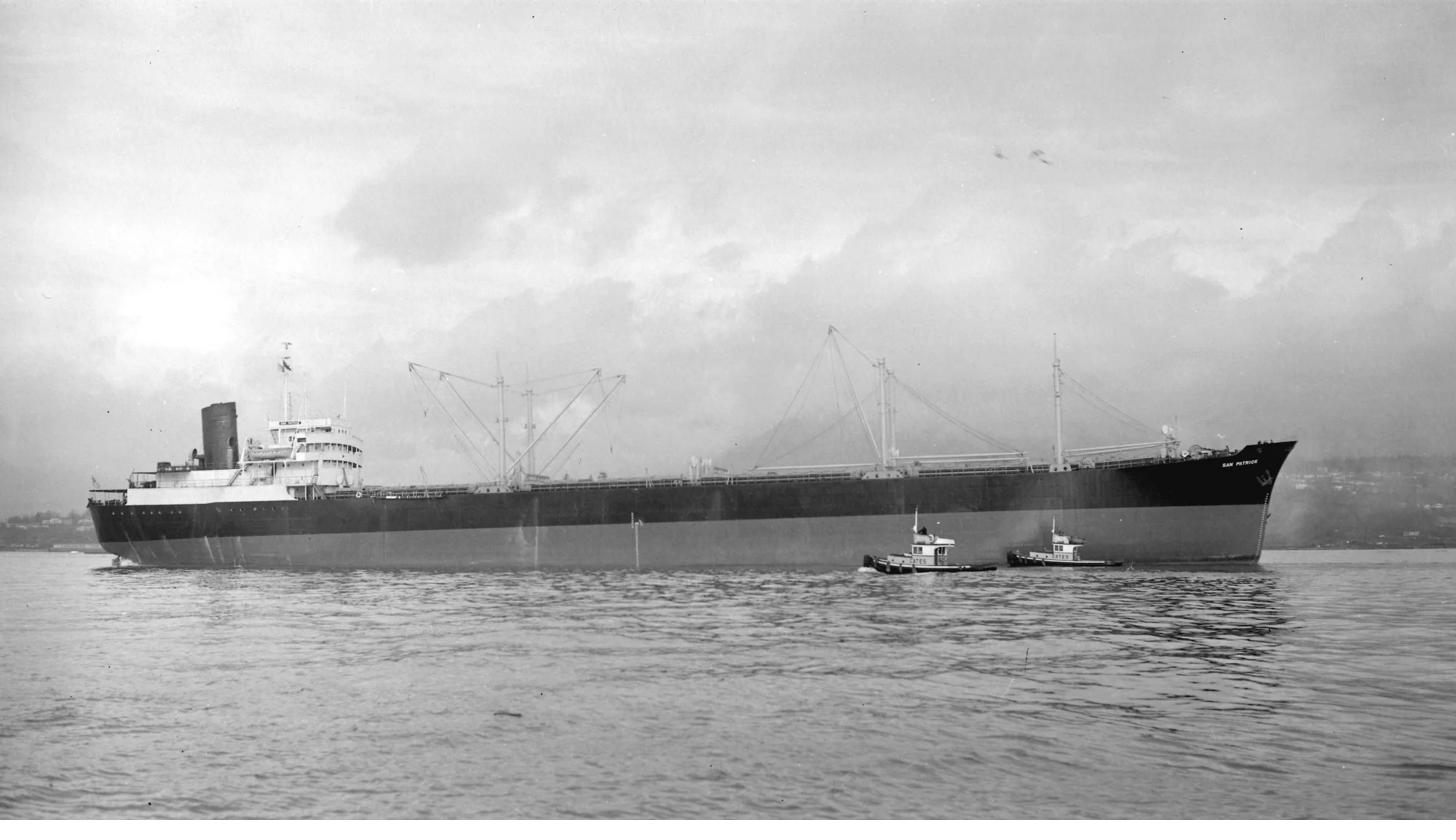
The San Patrick in Vancouver, December 10, 1964 — Photograph by Walter E. Frost
She sailed from Brotchie Ledge, Canada, under the command of Capitán Julián Díaz (34 years old), on December 10, 1964, bound for Yokohama with an estimated arrival on December 24.
It was her first voyage after refit; she was carrying wheat and cattle feed. On December 17, at 06:42 AKST, she transmitted her SOS, reporting that she was aground in heavy weather at position 51°20′N 179°40′W (later proved erroneous).
The distress call was picked up by the Japanese merchant vessel TETSUKO MARU, some 30 miles away.
At 09:10 she reported a new position, 51°20′N 179°05′W (also erroneous), and shortly afterwards that her electrical power was failing and that she did not know her exact location.
At 12:44 the Japanese vessel received a final message:
«Embarrancado en malas condiciones. Sin posibilidad de usar los botes.
En cinco minutos nos quedamos sin baterías.
Solamente con helicópteros es posible el rescate de la tripulación».
“Aground in bad condition. Lifeboats cannot be used. In five minutes our batteries will be dead. Rescue of the crew is only possible by helicopter.”
[Translation from the original Spanish — San Patrick, last transmission relayed by TETSUKO MARU, USCG record]
A continuous distress signal followed, and at 12:59 the transmission ceased. The TETSUKO MARU circled the islands of Ulak and Amatignak without locating the SAN PATRICK.
Wind and sea conditions made it impossible to approach the coast. For the same reason, aircraft from the Adak and Shemya naval bases could not take off until late that afternoon (18:20 AKST).
Throughout the rest of December 17, and through December 18, 19 and 20, US Coast Guard aircraft and vessels searched for the freighter without success. On December 20, an aircraft located her at 51°18.7′N 178°57.8′W, on a rocky outcrop at the foot of a 50-metre cliff on the south-eastern side of Ulak Island.
The search for survivors continued across all the islands of the area, with negative results.
On December 23, a line-throwing gun was found at the top of the cliff, together with 200 metres of line whose other end was secured to the ship.
On the same day, three bodies were sighted; only one could be recovered, that of Radio Officer Antonio Herrero Monsalve (a wristwatch and a Saint Anthony medal were retrieved with him). He was buried in Anchorage.
On December 26, the search for survivors was suspended.
Weather conditions in the area were as follows: overcast skies, rain, visibility between 0 and 4 miles, south-easterly wind of 30 to 40 knots with gusts of 50, and seas from the same quarter with waves of 6 to 9 metres.
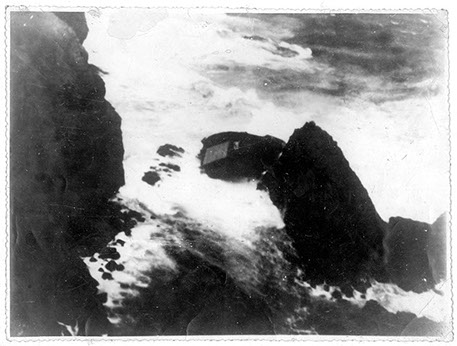
The San Patrick broken on the rocks of Hasgar Point.
Photograph taken by Captain Morgan from a US Navy aircraft, December 20, 1964.
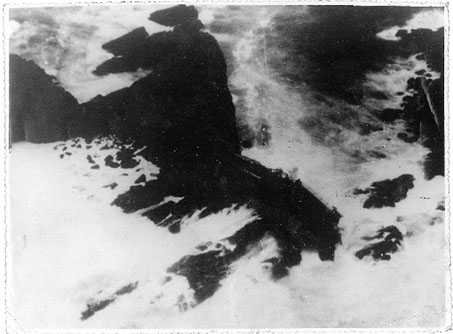
Aerial view of the wreck. The ocean cuts through the central section of the ship.
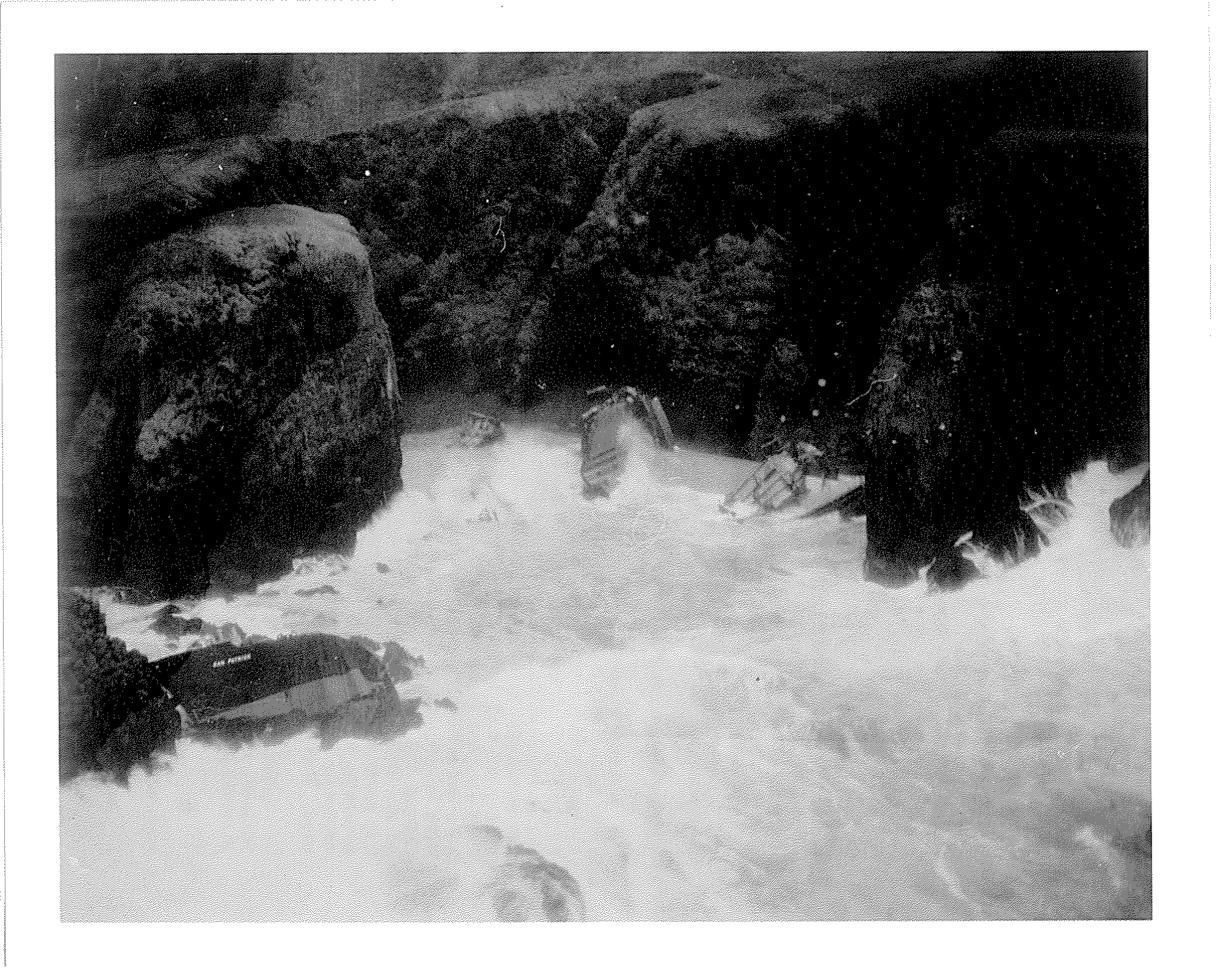
The freighter aground against the cliffs of Ulak Island.
Photographs: US Naval Air Station Adak, Alaska — December 20, 1964
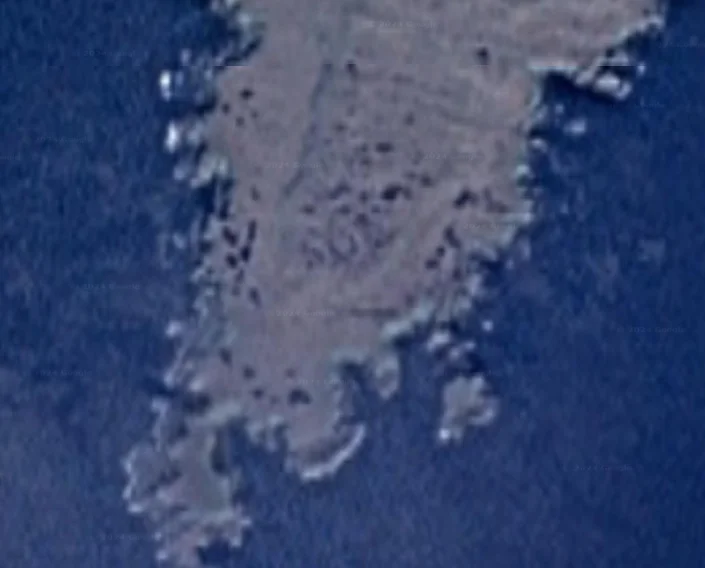
Satellite image of Ulak Island
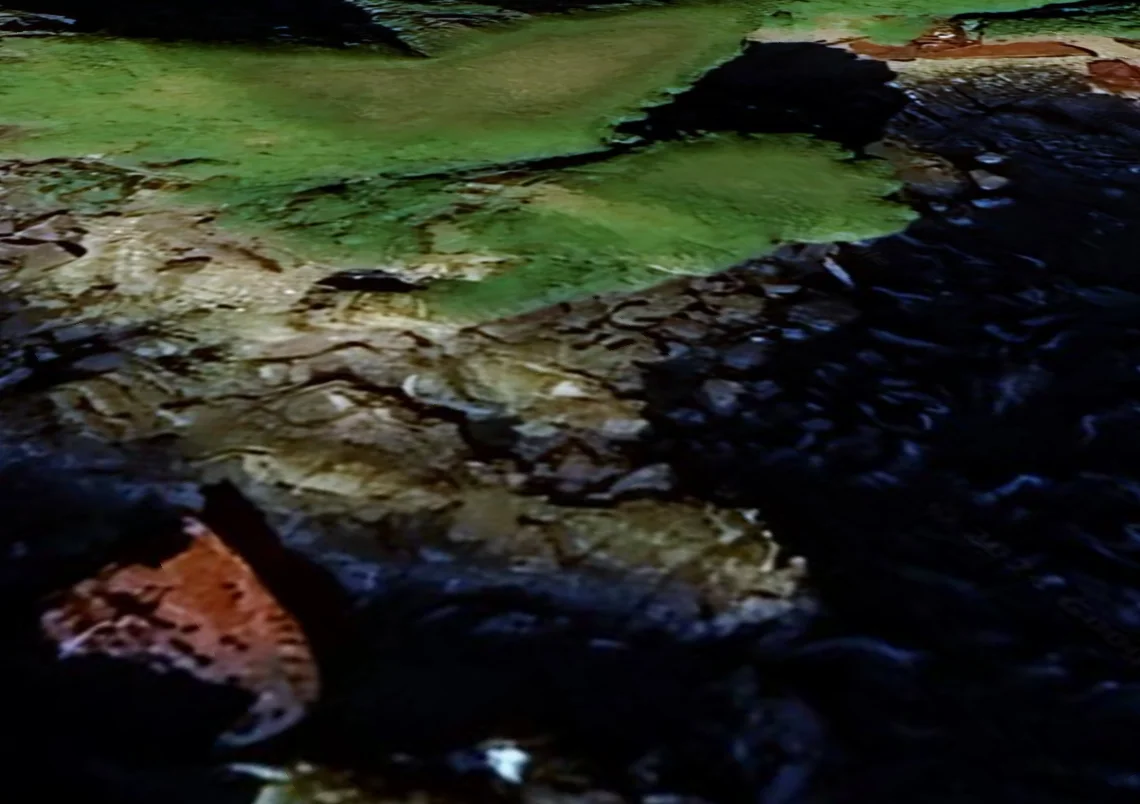
Ulak Island on Google Earth
Do you have information about a crew member?
We are looking for photographs, documents, letters or any information about the 32 crew members of the San Patrick. If you are a relative or know someone who may be able to help, please get in touch.